



A dry protective film keeps door seals supple through the frost
Seven in the morning, minus three degrees, and the driver's door won't budge an inch. Whether a rubber care product actually prevents that is a question that lands in our chat every year as soon as the nights turn colder. The short answer: yes, as long as the seal was clean beforehand and the care goes on in time. In Nordhorn it stays dry and well above five degrees until Thursday. That's your window for the door seals.
Caring for door seals means cleaning the seal and the surface it presses against, letting everything dry completely, laying down a thin solvent- or alcohol-based care product and taking off the excess. After that the rubber stops soaking up water, and with no water in the seal there's nothing to freeze it to the body.
Damp door seals freeze shut on the first frosty night
A door seal doesn't freeze to the rubber itself. It freezes to the water sitting in and on the rubber. A well-kept, water-repellent seal gives that water nothing to hold on to, while a dried-out one soaks it up like a sponge.
In autumn the water comes from every direction. Rain runs off the roof edge into the door aperture, dew settles on the cold metal overnight, and every drive down a wet road throws fine spray right into the lower door flange. Nordhorn has had just under 18 litres of rain per square metre in the last 48 hours, and the nights are already below six degrees. From here it's only a small step to the first night below zero.
The reason water gets into the gap at all is capillary action. With the door shut, the gap between door and body is a fraction of a millimetre. On a washed-out, rough rubber surface that gap actively draws moisture inwards, a bit like a wick. On a well-kept seal the water beads off before it ever reaches the gap. Bottom line: the care doesn't stop the frost, it stops the water the frost needs.
That night is when the condition of the seal decides everything. If it has taken on water, the moisture between rubber and paint freezes into a thin layer of ice that glues both surfaces together. In the morning it isn't the lock holding you up, it's a strip of ice running along the whole edge of the door. The ADAC puts it the same way: a healthy seal repels water, one that soaks it up freezes.
The right time for car rubber seal care is therefore before the frost, not in the middle of it. The seal has to be dry when you apply the product, and the product needs time to flash off. For this week that means: today and tomorrow stay dry, and until Thursday daytime temperatures sit between 13 and 19 degrees. Rain isn't forecast again until Friday afternoon. Set aside half an hour before Thursday and your seals go into the first cold night properly treated.
Dried-out EPDM soaks up water and tears when the door is yanked open
Most door seals are made of EPDM, a synthetic rubber, often built as a hollow profile from sponge rubber. The material is porous and loses the plasticisers that keep it supple over the years. What's left turns hard, soaks up water and no longer gives in the cold.
Three things drive this ageing: UV light in summer, ozone in the air and the constant swing between heat and cold. The seals on a car parked on the street go through a lot more of that than those on a car that spends the night under a roof. You can spot the difference by the sheen: a fresh seal looks deep black, a dried-out one looks grey and dull, and a fine line of road grime collects inside the folded lip.
Things get risky when the door is frozen shut and someone gives the handle a hard yank. The rubber stays stuck to the ice, the door rips it along, and the sealing lip ends up with a tear that channels every shower straight into the cabin. A new door seal means a replacement part plus fitting, for a single door. One bottle of care product, on the other hand, covers all four doors for years.
Car makers generally design door seals to last the life of the car, so around ten years. But that only holds as long as the rubber stays elastic and springs back into shape after the door closes. A dried-out seal stays squashed flat, no longer closes the gap fully and lets wind and water through long before it visibly cracks. That's why the care pays off on a new car too, starting with the very first winter.
Then there's what a leaky door does to the cabin in winter. Moisture in the footwell soaks into the carpet, mists the windows from the inside and starts to smell musty after a few weeks. That's why the ADAC recommends a quick check of the carpet under the door and the spare wheel well every time you treat the seals. If you find water there, the problem usually isn't the care but a seal that has already torn.

Clean first, then treat, then leave the door open
Care only works on a clean, dry seal. On a dirty one it just spreads the dirt around and locks it in instead of soaking into the rubber. That's why door seal care comes down to three steps, and none of them takes long.
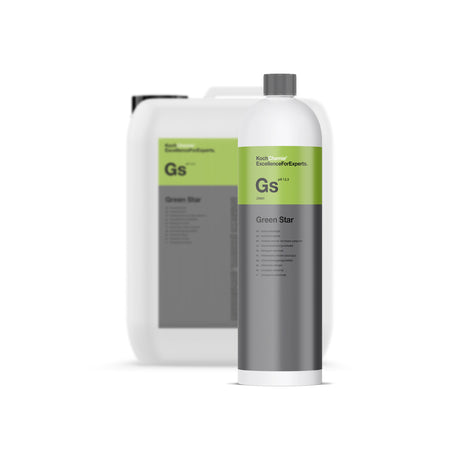
Step one is cleaning. Dilute an all-purpose cleaner like Koch-Chemie Green Star "Gs" 1:10 with water, spray it onto a cloth and run it along the seal, into the folded lip as well. Then go over it again with a second cloth dampened with plain water only. Don't forget the mating surface: the painted door aperture on the body, where the seal sits, collects just as much dirt, and every grain of sand there scrubs at the rubber on every drive.
Step two is patience. The doors stay open until the seal and flange are bone dry. On a dry autumn day at twelve degrees that takes about a quarter of an hour. Any moisture left under the care product is exactly the water you're trying to get rid of.
Step three is the care itself. Don't put the product straight onto the seal. Put it on an applicator sponge or a cloth and wipe the seal in one pass from top to bottom, once on the visible side and once inside the lip.
Anything that still looks wet and glossy afterwards is too much. Take off the excess with a dry cloth once the dwell time is up, otherwise you leave a film that fresh dust sticks to. Then leave the door open a few more minutes before you shut it.
Plast Star goes on the outside and Gummifix in the cabin
For the exterior door seals, the Koch-Chemie Plast Star "Pss" 1000 ml / 1 Liter is the right care. It's free of silicone oil, flashes off in 5 to 15 minutes and, according to the product description, protects the seal from freezing on.
Pss works with a fast-evaporating solvent instead of water. After a few minutes the carrier is gone, leaving a thin, water-repellent film behind. Water-based care products, by contrast, can freeze themselves in winter if they haven't fully dried. On top of that, it's free of silicone oil: if the car ever needs a paint repair later on, there are no silicone residues on the door flange to cause trouble.
To lay it down, an open-cell sponge like the Dr. Wack A1 "DER WAX SCHWAMM" works best, because a microfibre cloth soaks up too much product. Detailers report four to six months of visible effect, and one litre is enough for around 50 applications.
The limits of Pss are spelled out clearly. Keep it off the pedals, steering wheel and gear lever, because the surface turns slippery afterwards. Wax or sealant won't bond to the film any more, so it goes on at the end of the exterior routine, not at the start. And it's highly flammable: work in the open air and not on hot surfaces.
For everything in the cabin that gets stepped on or touched, the Koch-Chemie Gummifix "Guf" 1000 ml / 1 Liter is the one to grab. It darkens rubber to a satin-matt finish and stays grippy, so you use it on sill rubbers, rubber mats and the boot seal. For rubber seals on doors and boot, the instructions call for one application per season: spray onto a cloth and wipe down the seal. At 20 degrees it flashes off in 30 to 60 minutes, and longer in the cold.
You'll find more choice in our Rubber care category, and for bumpers and trim strips in Exterior trim care.
The simple rule for choosing: if the seal sits on the outside of a door, tailgate or fuel flap and gets rained on, grab the Plast Star. If the surface is in the cabin and needs to stay grippy, grab the Gummifix. And before either of them, the Koch-Chemie Green Star "Gs" 1000 ml / 1 Liter goes on as the cleaner.

Vaseline and silicone spray won't get your seals ready for winter
Home remedies beat doing nothing against frozen doors, but they're hard to spread evenly and don't last long. Vaseline and mineral oil actually damage EPDM rubber, because the material swells and goes soft.
That's the most common mistake we hear about: petroleum jelly from the bathroom cabinet, the last of a can of penetrating oil or some grease from the shed. EPDM doesn't get on with mineral oils. The rubber swells, turns greasy, and that soft edge is the first thing to tear at the next frost. What works fine on a bike chain is the wrong stuff for a door seal.
| Product | What it does on the seal | The catch |
|---|---|---|
| Vaseline, mineral oil, grease | leaves a greasy film | EPDM swells and goes soft |
| Silicone spray | water-repellent, quick to apply | overspray drifts onto paint and glass and leaves smears |
| Deer tallow | repels water, doesn't attack rubber | stiff in the cold, attracts dust, leaves grease marks on clothes |
| Glycerine | soaks in fast, doesn't attack rubber | water-soluble, rain washes it out again after a short time |
| Talc | separates rubber and paint as a dry powder | white, chalky layer on the black seal |
| Dedicated care (Pss, Guf) | thin, dry film once flashed off | apply to a clean, dry seal, renew once a season |
Silicone spray is the second most common home remedy. It makes the seal water-repellent for a while, but the overspray doesn't just land on the rubber. Whatever hits the paint and glass leaves smears, and silicone residue interferes with adhesion if the paint ever needs repairing. If you do use spray, spray it onto the cloth, not onto the door.
Deer tallow and glycerine don't attack the rubber, but each has its own catch in daily use. Deer tallow goes stiff in the cold, is hard to spread thinly and rubs off on your jacket when you brush past the seal getting in. Glycerine soaks in fast, but it's water-soluble and washed out again after a few rainy days. The ADAC sums it up like this: better than nothing, but no protection for a whole winter.
Coupés and convertibles with frameless side windows are a special case. When you open the door, the window drops a little, and when you close it, it slides back up into the top seal. Greasy sticks leave a residue there that the glass picks up as a smear the next time it drops. For these seals, a liquid care product, used sparingly with a sponge and wiped off thoroughly, is the better choice. What winter care on the glass itself looks like is covered in 5 Mistakes That Break Down Your Rain Repellent in Winter.
Two sessions a year keep the seals supple
Door seal care isn't a one-off job: one session in October and one in spring is enough for most cars. If you park on the street, check the seals again in January, because road salt and slush wear the film down faster.
The autumn session stops doors freezing shut, the spring session stops the rubber drying out over summer. It's the same mechanism you know from tyres: UV and ozone rob the rubber of its plasticisers, and care slows that down. More background on why rubber ages is in Tyre care against cracking.
If the door does freeze shut anyway, don't yank the handle. Push the door firmly against the body with the flat of your hand, all the way round the edge, so the ice between rubber and paint breaks, then try again. If it still won't move, try the passenger door or the tailgate rather than forcing it.
Hot water from the kettle is no fix: the sudden temperature jump can crack the side window. Lukewarm water only helps if you wipe the spot dry straight away. A de-icer spray in the door gap does melt the ice quickly, but its alcohol also strips out the care. After that, another round is due as soon as it's dry again.
For a quick check in between, a look and a finger are all you need. If the seal is a deep glossy black and feels dry and soft, you're good. If it looks grey and barely gives when you press it, the next round is due. Do the boot seal and the rubber lip on the fuel flap at the same time, they freeze shut just the same and almost always get forgotten.
On the tailgate the seal sits almost horizontal, so water pools there instead of running off. Wipe it dry by hand after every winter wash before you leave the car overnight.

Detailing1-Insight: Every autumn customers ask whether their plastic care can go on rubber too. On the outside of the door aperture you use Pss, on the inside at the sill you use Gummifix. The move that makes the difference isn't on any label: after applying, run a finger along the seal once. If your glove comes away with a greasy film, it was too much, and that's exactly where road grime will be stuck in four weeks. A thin layer that feels dry after 15 minutes keeps the door moving all winter.
No time for the whole post? Get it summarized: