









Tyre Dressing vs Rain: Spray, Gel or Coating, What Actually Stays on the Sidewall
Daniel von Detailing1 |


Koch-Chemie
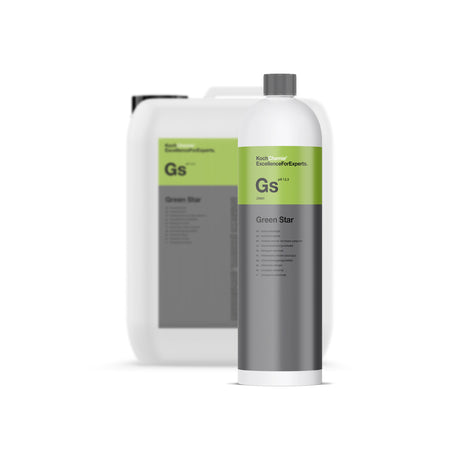
Green Star "Gs" Universal Cleaner
Hochalkalischer APC-Konzentrat für Werkstatt, Motorraum und Hebebühne
Koch-Chemie
Top Star "Ts" Interior Plastic Care
Silicone-free Plastic Care with UV Protection and Silk-Matte Finish
Koch-Chemie
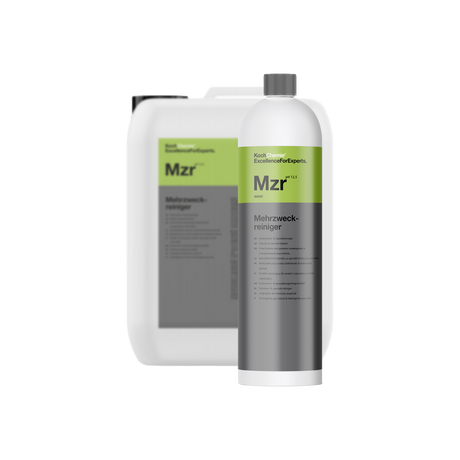
Multi-Purpose Cleaner "Mzr" All-Purpose Cleaner
Alkaline cleaner concentrate with pH 12.5 and Daimler approval
Koch-Chemie
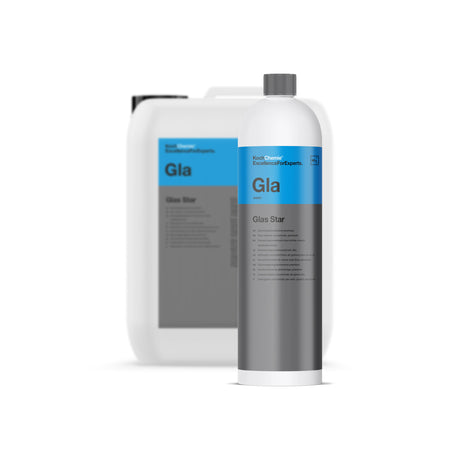
Glas Star "Gla" Glass Cleaner Concentrate
Concentrated alcohol-based glass cleaner with Daimler approval
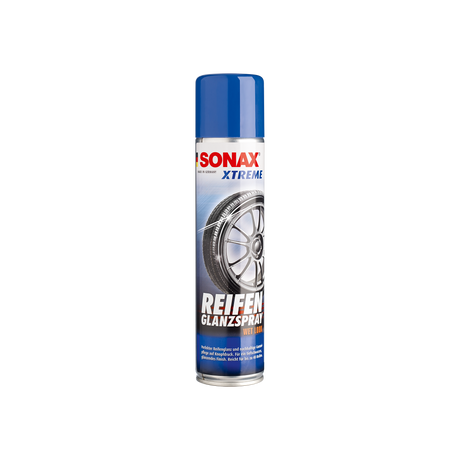
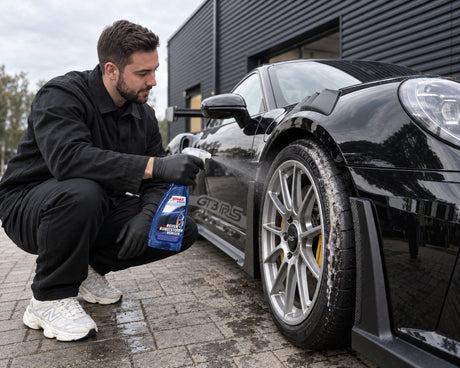
SONAX XTREME ReifenGlanzSpray Wet Look 400 ml for 11.49 instead of 16.99 euros, while stocks last.
Koch-Chemie
Cleans thoroughly and gently, preserves the shine of the paint surface
Koch-Chemie
Reactive Rust Remover "Rrr" iron fallout remover
Maximum cleaning performance for flawless results without compromise
Koch-Chemie
Teerwäsche A "Tea" Bitumen & Tar Remover
Perfect bitumen and tar removers for a flawless finish
Koch-Chemie
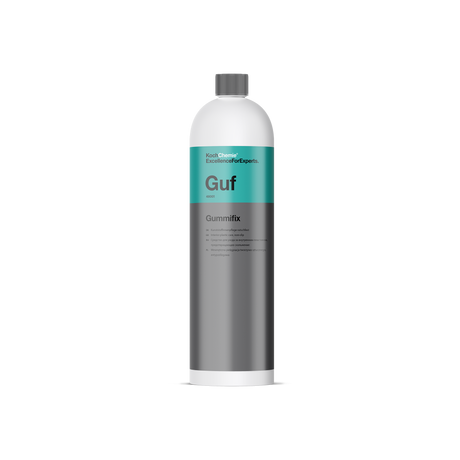
Gummifix "Guf" rubber and plastic care
Silicone-free rubber and plastic care for non-slip floor mats


Koch-Chemie
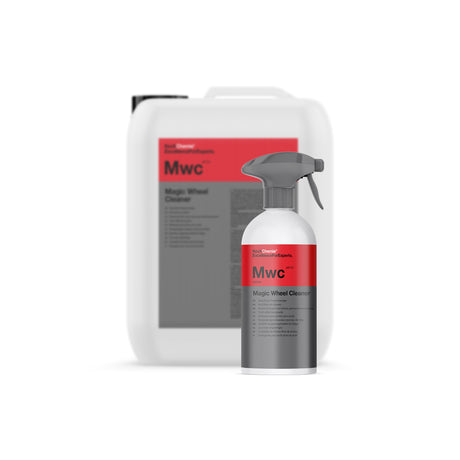
Magic Wheel Cleaner "Mwc" Wheel Cleaner
Acid-free wheel cleaner with color change for daily workshop use
Koch-Chemie
Plast Star "Pss" Premium Plastic Care Silicone Oil-Free
Premium care for exterior plastic and rubber without silicone oil
Koch-Chemie
Gentle Snow Foam "Gsf" Cleaning Foam
pH-neutral pre-wash foam for weekly paint care
What's actually worth grabbing on sale? Concentrates, microfibre cloths and consumables, because you get through them at a predictable rate and, stored dry, they don't age. Go easy on opened chemistry with a short shelf life, and on specialist products for problems your car doesn't even have.
Car care deals are reduced items from the regular range, not a category of their own. So it isn't the discount that decides whether a buy pays off, but how fast you get through the product and how well it survives until then. Concentrates, cloths and consumables tick both boxes. Ready-mixed products, reactive sealants and specialist chemistry for rare cases rarely do.
Day-to-day from Detailing1: The most expensive mistake with a sale buy happens before you order. We regularly get messages from customers who have the same shampoo on the shelf for the third time and only realise with the fourth product that they never opened the first. Line up everything you own on the table and take a photo with your phone. That photo is your stock list. Write the purchase date on every cap with a permanent marker too, and next time you reach for the shelf you'll know which bottle is up first. Three minutes of effort, and from now on your shopping follows what's actually missing.
A concentrate is the only item in car care where buying ahead pays off twice: in the price per finished litre and in the space the bottle takes on the shelf.
1:10 dilution means one part product to ten parts water. One litre of all-purpose cleaner concentrate turns into eleven litres of ready-to-use solution, and the box you store for it is still only one litre big. The upshot: you buy active ingredient, not a load of water to haul around.
With shampoo the effect is even clearer. Typical dosing is twenty to thirty millilitres in a full ten-litre bucket. One litre of concentrate carries around forty washes that way. Wash your car every two weeks and a single bottle sees you through more than a year.
Glass cleaner concentrates have an advantage barely anyone thinks about: you decide the water yourself. Water hardness is given in degrees of German hardness and describes how much lime is dissolved in the tap water. From about fourteen degrees you see that lime as a white haze on the dried glass. Mix the same concentrate with distilled water and the haze is gone, simply because there's nothing left that could stay behind.
The limit of stocking up is your own usage. Wash four times a year and a five-litre canister of shampoo will outlast any packaging. For that rhythm the small bottle is the right call, even if the price per litre looks friendlier on the big container.
From day-to-day at Detailing1 we see a clear pattern: if you top up on sale, you restock the concentrates you get through every season anyway, and you don't try something new just because it happens to be reduced. Which products those are is sorted out by Car Wash; the shampoos live under Car Shampoo.
Microfibre doesn't age in the packet. It ages through washes, through sand in the fibre and through edges harder than the paint can take.
GSM stands for grams per square metre and describes how densely a cloth is woven. A drying towel at eight hundred to a thousand GSM soaks up several times its own weight in water and glides on a film of water instead of rubbing. An all-rounder at three hundred and fifty GSM is too thin for that, but wipes interior surfaces streak-free.
The real reason to stock up isn't shelf life, it's colour-coding. One cloth for paint, one for glass, one for door shuts and wheels. Keep only two cloths in the house and sooner or later you grab the wrong one, and brake dust travels from the wheel arch onto the bonnet.
Edge banding is the second point. The stitched-on border on a lot of cheap cloths is harder than the fibre next to it and drags a fine mark across the clear coat under pressure. Edgeless welded cloths don't have that problem, and those are exactly the ones worth buying in a twin-pack.
The same goes for wash mitts, applicators and spray bottles. They cost little, wear out visibly and still get used far too long. We often see mitts still in service whose fingers matted long ago, so they no longer stand up and no longer carry the loosened dirt away from the surface. From that point the mitt washes with the grit it just picked up.
A rule of thumb that's proven itself: two of every cloth type, three of the drying towel. The full choice sits under Cloths, the pure polishing and buffing cloths under Microfibre Cloths.
Once opened, a clock starts on every bottle, and it runs at different speeds depending on the chemistry.
It's shortest with reactive sealants. Silanes are silicon compounds with reactive anchors that react to air humidity alone and build a network of silicon and oxygen from it. That network is exactly what you want on the paint, not in the bottle. You'll spot it like this: an opened coating that strings or has visibly thickened has already done its job in the glass.
Polishes last longer and have a different problem. The abrasive settles at the bottom, the carrier liquid evaporates at the cap, and what you tip onto the pad in a quick grab is then liquid without any abrasive. Shake hard before every use, do the cap up tight and store the bottle upright, and that sorts it completely.
Water-based cleaners, shampoos and foams are the toughest candidates in the range and still frost-sensitive. An emulsion is finely distributed oil in water. Frost breaks that distribution up, after which a layer floats on top, the product foams more weakly and no longer doses cleanly. Store frost-free between about five and twenty-five degrees, dark and upright, and the matter's settled.
Ready-to-use sprays in the middle of the field, that is quick detailers, interior cleaners and glass cleaners, last one to two years without any drama. Unopened, makers usually quote two to three years, and that figure is for the sealed bottle in the dark, not the half-empty one in the boot.
From that follows a simple buying rule. Heavy-use chemistry can go into the stockpile, reactive chemistry you buy for the next actual job. What belongs in which group you can see in the overview under Sealant and Care: spray sealants are consumables, coatings are job-specific.
A reduced price doesn't turn a product your car doesn't need into a good deal. It turns it into a cheap shelf problem.
The most common case in our messages is leather care for seats that aren't leather at all. Faux leather and Alcantara don't absorb care milk, it just sits on the surface and becomes a dirt trap there. For those covers a textile cleaner is the answer, and the right products sit under Interior Care.
The second case is coarse cutting polish without a machine. Cut describes how much clear coat a polish removes. By hand you get almost nowhere with it, with a dual-action machine a great deal, and with a rotary and no practice the layer underneath too. If you want to get that first scratch out, you'll have a far calmer time with a finishing polish and a soft pad.
The third case is the acidic wheel cleaner for a car with light brake dust. It can do more than that wheel needs, and you pay for that reserve with tight dwell time, gloves and worry about polished or anodised surfaces. A pH-neutral cleaner shifts the same deposit without all those conditions attached.
So the honest answer for most cars is: pre-wash, shampoo, drying towel, spray sealant. That isn't a budget programme, it's the scope that actually keeps an everyday car looking good. Anything beyond that is a decision for a particular result, not for a particular price.
We often see orders with three products for the same problem and none for the problem the customer described in the first line of their message. That's why with us the question about the car comes before any recommendation. Which paint, which seats, which wheels, how often washed.
Two containers of the same product get you further than ten opened bottles from ten makers.
The first reason is repetition. A product you're using for the fifth time you really know: dosing, dwell time, how it behaves on warm paint, when it starts to streak. That experience doesn't transfer, and with every new product you start from scratch.
The second reason is the sequence. Car care is a chain of pre-wash, shampoo, drying and protection. Miss a link and a doubled-up one elsewhere won't help. Buy three shampoos on sale and no drying towel and you'll wash clean and then rub swirls into the paint.
Swirls are the fine circular scratches that sit over the paint like a spider's web in raking light. They almost always come from contact with dry textile or with dirt in the cloth, right at the end of an otherwise clean wash, of all places.
So before a sale buy you don't check the single product, you check the chain. What's missing gets topped up. What's there twice waits for next time. The full sequence from the first jet of water to dry paint sits under Car Wash.
On top of that comes a point discount labels like to hide. Your paint is clean after the wash. Protected it is not. The difference between the two is the difference between groundwork twice a year and half an hour with the wash bucket every other Sunday.
Car care runs in seasons. A stockpile that fits the season gets used up instead of ageing.
Spring is for the groundwork. Get the road-salt residue off, dissolve the fallout, prep the paint, seal it. That's the job with the highest material use in the whole year, and you sensibly buy the products for it beforehand, not on Saturday morning with the car already standing wet in front of you.
Summer uses up other things. Insect residue, warm paint surfaces, quick washes in between. Quick detailers, shampoo and drying towels run out fastest in this time, while polish and coating sit untouched on the shelf.
In autumn, visibility counts. Glass sealant, glass cleaner and a checking look at how long the paint protection has left before the wet season. What you lay down in autumn works all winter for you, and this is exactly where a stockpile from summer pays off. The overview for it sits under Sealant and Care.
In winter everything shifts inside. Floor mats, door shuts, salt rings on the carpets, fogged-up windows. Interior cleaner, plastic care and cloths are the consumables then, and anything frost-sensitive has no business in the boot at this time anyway. The right choice is under Interior Care.
Two fixed dates a year are enough to plan by. Once in March and once in October, set everything out in front of you, note what's empty, and that list is your shopping. Because the most expensive purchase is the one that never happens. If the shampoo's empty, the car doesn't get washed, and insect residue, tree sap and road salt keep working on the clear coat in the meantime. Go into the season with a full shelf and you're deciding the state of your paint, not a price.
Too much choice in Offers? Get help picking:
Daniel von Detailing1 |

Daniel von Detailing1 |

Daniel von Detailing1 |

Daniel von Detailing1 |

Daniel von Detailing1 |

Daniel von Detailing1 |

Daniel von Detailing1 |

Daniel von Detailing1 |

Daniel von Detailing1 |

Daniel von Detailing1 |

Jasper von Detailing1 |

Daniel von Detailing1 |